Introduction
Enteral feeding is a life-sustaining strategy made use of to supply nutrition directly into the intestinal system for people who are not able to consume food by mouth. The relevance of understanding this skill can not be overemphasized, particularly in health care settings where people might depend on enteral feeding for their survival and quality of life. This post dives deep into the nuances of enteral feeding, attracting understandings from knowledgeable trainers and professionals in the area. We'll discover numerous elements including training techniques, patient treatment, types of feeding tubes, and much more.
What is PEG Feeding?
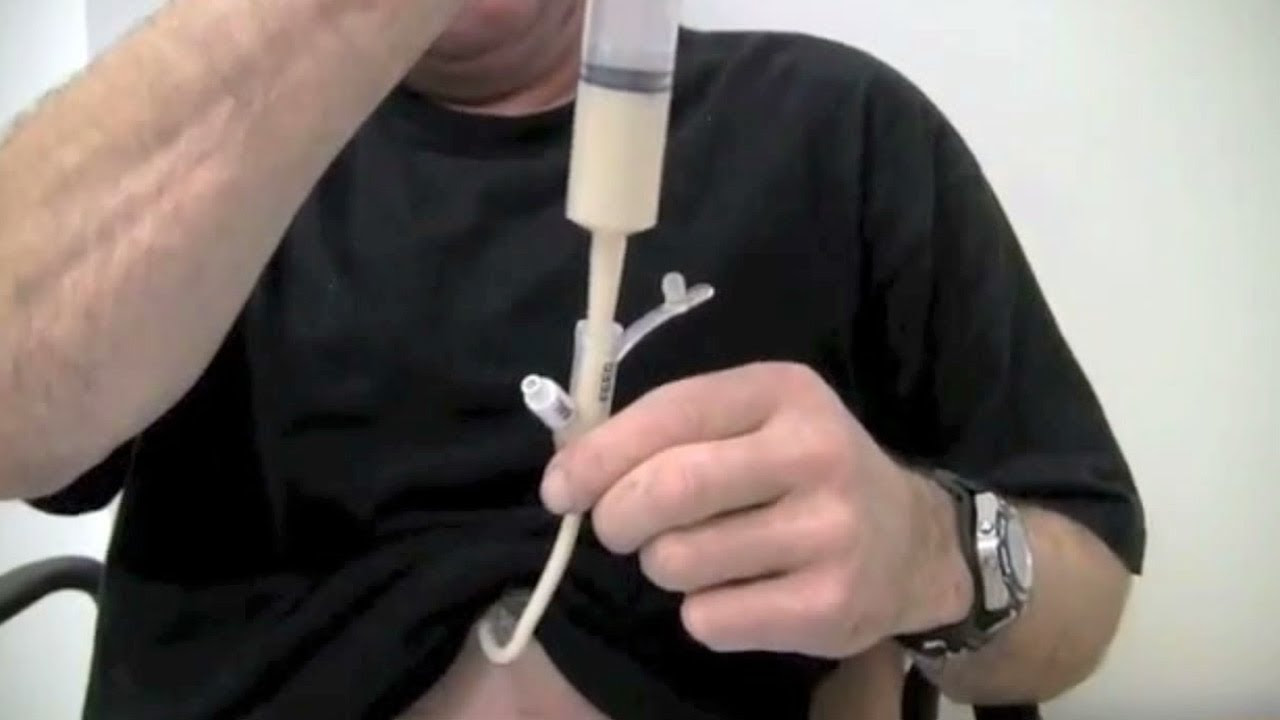
Percutaneous Endoscopic Gastrostomy (PEG) feeding is a technique of offering nourishment directly via a tube placed into the belly through an endoscopic procedure. It is typically employed for individuals with ingesting problems due to neurological disorders, cancers cells, or other clinical problems. Recognizing PEG feeding is necessary for medical care experts involved in enteral nourishment support.
The Value of PEG Feeding
PEG feeding plays an important duty in preserving dietary status amongst people who can't consume by mouth. It enables accurate delivery of nutrients, hydration, and medications as required.
- Nutritional Benefits: Supplies vital nutrients like healthy proteins, carbs, fats, vitamins, and minerals. Hydration: Guarantees adequate liquid intake which is important for organ function. Medication Management: Permits the management of medications straight into the stomach tract.
Enteral Feeding Support Course Overview
An enteral feeding support course equips healthcare providers with essential skills and expertise regarding enteral nutrition techniques. These training courses commonly cover:
Course Curriculum
Basics of Enteral Nutrition Types of Feeding Tubes Techniques for Tube Placement Patient Assessment Nutritional Requirements Common ComplicationsWho Should Attend?
Healthcare specialists such as registered nurses and support workers involved in patient care can benefit significantly from this training.
Key Parts of Enteral Feeding Training
Understanding the essential aspects associated with enteral feeding can boost person outcomes significantly.
Assessment Skills
Before starting any type of kind of PEG feeding, it's essential to do a comprehensive analysis that includes:
- Patient's medical history Nutritional needs based on diagnosis Physical exam findings
Tube Kinds and Selection
Different kinds of feeding tubes serve various objectives:
Nasogastric Tubes: Temporary usage; placed with the nose. Gastrostomy Tubes (PEG): Lasting; surgically positioned with the abdominal wall. Jejunostomy Tubes: For patients needing post-pyloric feedings.Mastering Tube Positioning Techniques
Proper tube positioning is crucial for reliable enteral nutrition.
Guidance on Tube Insertion
Healthcare companies need to be trained in both anatomical spots and strategies to ensure successful placement while lessening individual discomfort.
Best Practices Include:
- Using sterilized strategies Verifying tube positioning by means of aspirate pH screening or X-ray
Understanding Enteral Feeding Formulas
Not all enteral formulas are produced equivalent; picking the appropriate one can make all the distinction in person recovery.
Types of Formulas Available:
Standard Nutritional Formula Specialized Formulas (for particular conditions) Elemental FormulasMonitoring Patient Resistance and Complications
Once enteral feeding commences, constant surveillance comes to be crucial.
Signs of Intolerance
- Nausea or vomiting Abdominal distension Diarrhea
Strategies for Mitigation:
Adjusting feed rates Changing formulas if necessaryImportance of Continuous Education in PEG Educating Courses
Healthcare professionals need to take part in lifelong finding out to maintain current with finest practices surrounding PEG feeding.
Training Layouts Available
Courses can be delivered via:
- Online modules Hands-on workshops Clinical simulations
Advanced PEG Training Techniques
For those currently aware of standard procedures, advanced training offers deeper understandings into more complicated circumstances such as:
Managing Complex Cases
Patients with comorbidities Pediatric considerations Geriatric populace subtletiesCollaborating with a Multidisciplinary Team
Effective enteral nutrition calls for collaboration across various disciplines.
Roles within a Multidisciplinary Team Include:
Dietitians: Analyze nutritional requirements and create diets. Nurses: Monitor feeding resistance and handle complications. Physicians: Supervise treatment plans. Speech Therapists: Aid with ingesting assessments if applicable.Patient Education on Enteral Feeding Practices
Empowering people and caretakers ensures much better adherence to recommended protocols.
Education And Learning Topics May Include:
How to care for the PEG tube site. Recognizing indications of infection or complications. Dietary adjustments if needed.FAQs About Enteral Feeding Training Courses
1) What does ndis peg feeding training involve?
NDIS PEG feeding training includes specialized programs made to inform providers on finest practices connected to enteral nutrition support under Australia's National Special needs Insurance System (NDIS). The goal is to gear up caretakers with abilities necessary to offer high-grade care customized to specific needs.

2) For how long does a typical enteral feeding support course last?
Most training courses vary from someday workshops to several weeks relying on depth and style (online vs hands-on). The size typically lines up with program material intricacy covering both concept and functional applications effectively.
3) Exist requirements for peg training courses?
Generally speaking, prerequisites might include prior health care experience or appropriate certifications such as nursing or allied health levels however differ by institution providing the program itself.
4) Can registered nurses carry out PEG feeds after completion?
Yes! As soon as trained suitably with approved programs like peg training for nurses they obtain expertise permitting them safely provide feeds following recommended protocols guaranteeing individual safety and security throughout therapy phases!

5) What's covered in peg feeding certificate programs?
Typically these programs cover anatomy/physiology appropriate introduction together with useful abilities consisting of tube insertion methods administration approaches during interventions & & troubleshooting typical issues developing throughout use!
6) Do I require recurring training after finishing my preliminary course?
Absolutely! Continuous education and learning relating to brand-new items improvements within innovation maintains professionals notified concerning present standards evolving maintaining updated guaranteeing optimal person care!
Conclusion: Grasping Your Abilities in Enteral Nourishment Support
Mastering the art of enteral feeding needs devotion not only towards recognizing technical skills but likewise promoting concern towards those dependent upon these life-giving procedures daily! Involving proactively within multidisciplinary teams ensures extensive holistic technique customizing individualized plans taking full advantage of total wellness improving high quality living-- this journey doesn't finish post-course completion instead it progresses constantly improving capabilities equipping caretakers alongside patients alike changing lives favorably everyday!
In closing allow us remember: "Understanding shared types self-confidence nurtured." So take that jump spend time sources raise what is peg feeding practice quality paving methods brighter futures ahead!